FAQs
frequently asked questions
We strongly believe that Camp Akeela is the perfect place for children and adolescents to grow as individuals, to become confident and independent, and to gain a greater sense of accomplishment. Every minute of every day is about learning how to live in a community. Because campers are living at camp, they have made the commitment to become more self-assured and self-reliant. They will learn to ask for help when they need it and to give support when others ask.
We have two 3 week sessions. We believe that 22 days is a perfect length of stay. While it is short enough to alleviate much of campers’ potential anxiety about being away from home, it lets them adjust to the new environment with plenty of time to really thrive and take advantage of all that Camp Akeela has to offer.
Camp Akeela is set on 400 wooded acres in Strafford, Vermont. (Our mailing address is in the adjacent town of Thetford Center, VT.) The camp’s cabins, facilities and program areas are perched on the shores of Miller Pond, a crystal-clear 65 acre lake that the camp shares with just one private home. Akeela’s location in the lush Connecticut River Valley on the Vermont – New Hampshire border places it only 25 minutes from the charming college town of Hanover, NH. It is also a short trip to endless outdoor adventure opportunities in the Green and White Mountain National Forests. The camp is 2-1/2 hours from Boston and approximately 4-1/2 hours from the New York Metro area.
We will give you lots of suggestions for preparing your child for a great summer at camp, and we do our part too! It starts with the work we do to get to know our campers and their families before they even sign up for camp and continues throughout the year in a variety of ways. We will be in touch by phone and email and will send your child information and fun gifts after he/she has been accepted. We know that for most Akeela campers, knowing what to expect helps them feel less anxious about something new. We share detailed descriptions of a typical day at camp and even lay out exactly how the arrival day plays out. Finally, our campers (and their parents) have a chance to see camp and meet some of our staff members if they’d like to visit Akeela for a tour in early June.
Coach buses will be departing for camp from selected locations. Our staff will be on the buses to help campers feel welcome and safe as they travel to camp. This is also a great opportunity for your child to meet his/her fellow campers before they arrive. If you prefer, you may drop your child off at camp by car. However, we do find that using the camp buses makes the separation easier and the transition into the camp community smoother.
It is important to us that you know your child is safe and happy at camp. That is why Debbie and Eric and their amazing staff are always available to speak with you should you have any questions or concerns. In addition, we will call you if we have any concerns about your child’s success at camp.
After your child has had a few days to adjust to camp, a phone call can be scheduled through our parent-only website. Of course, a staff member will be present as campers often do feel sad after calling home. In addition, our campers will send letters home on a regular basis. Nothing beats getting a letter the old fashioned way!
At the end of the camp session, you are invited to come to camp to pick up your child. We will be giving tours, serving lunch and introducing you to our camp staff. We’re sure that your child will love having you meet his/her friends and showing you around his/her new camp home.
Our staff is well trained to help campers work through feelings of homesickness. The best way to beat homesickness is to validate campers’ feelings, while also keeping them engaged and excited about the many opportunities that await them every day at Akeela. Campers who can work through these challenges will feel more confident and will become more resilient as a result. The first few hours at camp have the potential to be the most difficult. This is why we have our campers’ parents send up their belongings ahead of time. Our staff unpacks each camper, carefully preparing his/her bunk area, so that when campers arrive they are able to immediately jump into activities designed to help them feel comfortable in the Akeela community.
Formal diagnoses are not a part of our camper application process. Instead, we focus on the big picture of who our prospective campers are. We talk to parents and professionals, asking lots of questions about children’s strengths and challenges. We get a sense of how they are doing socially at school and elsewhere, what kind of supports help them be most successful, what they’re interested in and passionate about, how they feel about going to sleepaway camp, etc.
That said, all of Akeela’s campers have a similar neurodivergent profile. With or without a diagnosis, kids who thrive at Camp Akeela need a little extra support socially. Many have been diagnosed on the autism spectrum (Level 1, or what used to be called Asperger’s), or with ADD / ADHD, or with NLD / NVLD.
Please find the upcoming summer’s dates and rates here:
Dates & Rates
Bullying at Camp Akeela is not acceptable. We work very hard to help everyone at camp – including staff, administrators and campers – feel a strong connection to the community. Part of that connection involves respect for themselves, their shared space and each other. If anyone in our community feels that they are not being treated with respect and understanding, we dedicate all of our energies towards effectively resolving that situation.
Making friends, developing self-confidence, achieving independence, and treating others with kindness and compassion drive everything that happens at Camp Akeela. However, we also know that kids come to camp to have fun – not for social skills training! At Akeela, we work on social skills while campers are enjoying a traditional camp program. A focus on important life skills underlies every activity at camp. Because we know that every camper is different, we choose not to follow one specific social skills curriculum or therapeutic approach. Instead, conversations with parents and professionals throughout the application process allow us to tailor each camper’s experience with specific goals, strategies, coaching techniques and interventions.
All of our campers live in newly renovated bunks with private bathrooms, hot water and showers. Campers have plenty of space for clothes and other personal items. Each cabin group consists of no more than 9 campers, along with 4 counselors. Two of those counselors travel to activities with the group, ensuring that campers are always with staff members who know their individual needs.
Along with assuring campers’ physical and emotional safety, and hiring a great camp staff, bunk placement is one of the most important tasks we face as camp directors. At Akeela, the process begins with our extensive camper selection procedures. Demand for our camp is extremely high and each camper acceptance is made with a particular bunk placement in mind. This helps us achieve the right mix of campers in each bunk, which maximizes the potential for success for all Akeela campers. Campers are typically grouped by grade level.
We do not allow electronics at camp! (The only exception is a music player without screen content.) We believe that camp is a wonderful opportunity to take a short break from technology. We know that if campers are looking down at screens, they are not having meaningful conversations and making lasting connections with their peers. Camp allows our campers to experience the amazing outdoors within our camp community and beyond.
A professional laundry service will pick up, individually wash, and return your camper’s laundry each week. You will only need to pack enough clothes for about 7 to 10 days.
Our food is both kid-friendly and healthy. Whenever possible, we use all natural products with low sugar content and no preservatives. We are sensitive to our campers’ dietary differences and will do our best to accommodate the needs of each child. There will always be choices at meals so that campers can learn to try new things while also knowing that they can always find something they like to eat.
Many of our camp activities are co-ed. Camp is a great opportunity for campers to learn how to best get along with peers of the opposite sex. Of course, many activities (and certainly all living arrangements!) are single-sex. We do not have dances or other events that have the potential to make campers feel uncomfortable. Instead, boys and girls live, eat and play side by side in a way that feels natural and relaxed.
We have a staff of Vermont licensed nurses who live at camp and will be responsible for dispensing all medication. In addition, we work with a nearby doctor who sees campers whenever necessary. We also have relationships with a local dentist and orthodontist. In the case of an emergency, we are only 5 miles away from Thetford Center’s emergency response team. In addition, Dartmouth Hitchcock Medical Center is only 25 minutes away. Our directors, key staff and many of our staff members are CPR & First Aid certified as well.
It is reassuring for our parents to know that Akeela is on a seldom traveled dirt country road, set back from main roads or cities. At the same time, we are only 5 miles from an emergency response team and 25 minutes from Dartmouth-Hitchcock Hospital, Dartmouth’s excellent medical school teaching facility.
Apply to Camp Akeela online at campakeela.com/about-camp/application-process/ or call us toll free at 866-680-4744. There is no deposit or commitment required to apply and the initial application takes just a few minutes to submit. Subsequently, we will request additional application information from you, your child and the professionals who are currently involved in your child’s life.
Lots of people get confused about the actual role of these important leaders in our community. Perhaps it’s the title that’s misleading … head counselors are not the wonderful staff members who live in your child’s cabin. Those are cabin counselors and specialists.
Our head counselors are adults who live in our community and who supervise between 3 and 5 cabins. They oversee the well-being of the campers and staff in those groups and are the primary “point person” for you to call when you have a question about your child’s success at camp.
Head counselors spend all day out in camp with their campers and staff, providing ongoing support and feedback. They check messages a few times a day and return parent calls, usually in the evening. They are a wonderful resource to us as camp directors and serve as our eyes and ears, as we cannot be everywhere at once! While we oversee the entire community (120 campers and close to 100 staff members), the head counselors focus on their few cabin groups.
Please let us know if you have any questions about your child’s head counselor this summer. (You can find profiles of our head counselors here.)
In our ongoing commitment to meet the needs of our campers as well comply with strict state regulations, we work with CampMeds, a pre-packaging medication system that specializes in summer camps.
Our policy and procedure for dispensing and administering medicine requires camp families to have ALL of your child’s daily medicine dispensed by CampMeds and sent to camp prior to their arrival. There is a small fee for the CampMeds service. They accepts most prescription insurance plans and co-payments should be similar to those at your local pharmacy.
CampMeds will fill virtually any medication taken daily:
- Prescription medications, including pills, liquids, inhalers and creams
- Controlled substance prescriptions
- Non prescription (over-the-counter) medication
- Vitamins and supplements
Registration and more information about CampMeds can be found on the CampMeds website (campmeds.com).
The Packing List below details the clothing and equipment that will be needed at camp. The list is only a suggested guide. Substitutions can be made for individual preferences and age appropriateness. Campers do not need more than what’s recommended and storage space is limited. Please do not overbuy!
All items brought to camp must be clearly marked with the camper’s name. We highly recommend the peel-and-stick washable labels from Label Daddy. (Using this link, 25% of your order will be donated to CampLauncher!)
| PACKING LIST: ☐ 1 white or grey Akeela t-shirt (Required, find at Camp Spot) ☐ 12 additional t-shirts ☐ 4 long-sleeved t-shirts ☐ 4 pair pants (sweatpants, jeans, etc.) ☐ 8 pair shorts ☐ 2 sweatshirts (1 hooded) ☐ 2 pair sneakers ☐ 14 pair underwear ☐ 14 pair athletic socks ☐ 2 pair pajamas (e.g. 1 short and 1 long) ☐ 1 comforter or 3 cot-sized wool blankets (VT can be cold at night!) ☐ 4 cot-sized or twin sheets (2 flat & 2 fitted) ☐ 2-3 bath towels ☐ 2 swim/beach towels ☐ 1 shower caddy with soap dish, cup, toothbrush holder & toiletries ☐ Pre-addressed, stamped envelopes with stationery ☐ 1 pillow with 2 cases ☐ 3-4 bathing suits: designed for active water programs (no string ties on girls’ suits) ☐ 1 pair flip flops/sandals/Crocs ☐ 2 hats with brim ☐ 1 fleece jacket or heavyweight jacket ☐ 1 rain jacket or hooded poncho ☐ 1 pair rain boots ☐ 1 sleeping bag (Required for our In-Camp Overnight program!) ☐ 1 flashlight ☐ 2 water bottles or canteens (Required) ☐ 1 bottle insect repellent ☐ 1 pr. hiking shoes (or sturdy sneakers) – please break in before camp ☐ 1 bottle sunscreen ☐ 1 small backpack | 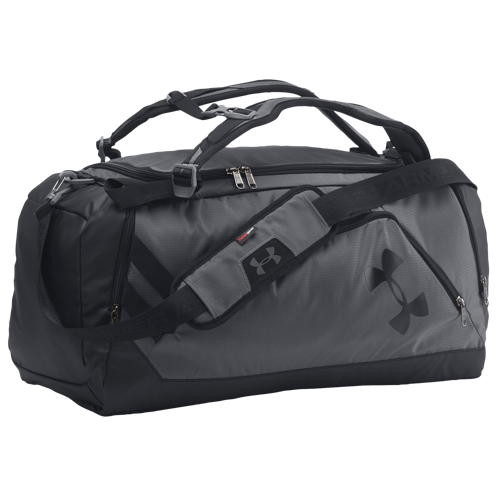 OPTIONAL: ☐ Sunglasses ☐ Camera ☐ Music player (without screen content – See our electronics policy) ☐ Baseball glove ☐ Musical instrument ☐ Tennis racquet ☐ Fishing rod ☐ Books ☐ Crazy Creek chair (or similar) |
Shipping Bags to Camp
Unpacking our campers is a vital part of how we welcome them to Akeela. Except for our overseas campers, we require that all trunks/duffels arrive at camp at least 3 days prior to the start of your child’s session
ShipCamps – We highly recommend sending your camper’s bags through ShipCamps. They partner with FedEx for great door-to-door service at the lowest rates that we’ve found. They also provide ready-to-use labels, real time online tracking, and excellent camp-specific customer service.
UPS/FedEx/USPS – If you choose not to use ShipCamps, you can send your bags via USPS, UPS or FedEx. You’ll find the best pricing using their “Ground” services. Please make sure to get an estimated date of delivery so that bags arrives at camp at least 3 days before your camp session.
Drop Off Bags At Camp – Families who live close enough are welcome to drive their campers’ belongings to Akeela. Because we unpack and set up cabins ahead of time, camper bags must arrive at least 3 days before the camp session. Please let us know if you plan to drop off your child’s baggage.
Getting Bags Home from Camp
While we are hopeful that bags will be able to go under the buses on the return trip home, space is very limited and we can’t count on it until we know for sure how many campers will be on each bus. As such, please contract return service with Ship Camps. If we think we can get your bags under the bus after all, we’ll let you know in advance and you won’t be charged by ShipCamps. If you are picking your child up at camp at the end of the session, we will have their bags ready to put in your car that morning.
A Note About Types of Bags
As a reminder, campers do not “live out of their bags” while at camp; prior to their arrival, we unpack their belongings into shelves/cubbies and under-bed storage boxes. For that reason, we don’t require a specific type of luggage. If you have bags on hand that work for your family, feel free to use those! But if you’re purchasing camp baggage, we recommend getting two “soft trunks”. These are essentially large duffel bags. (Pro tip: don’t get bags longer than 44″, as they’ll often incur additional shipping fees.)
We do NOT recommend traditional hard-sided camp trunks, nor any bags that have wheels.
In an effort to reduce unnecessary competition among campers and constant pressure on parents to send packages, Camp Akeela has a NO PACKAGE POLICY.
Food of any kind (including drink mixes, candy, gum, etc.) may not be sent and will be discarded. Please share this information with relatives and friends.
If you need to send appropriate camp items (clothing, replacement items, etc.) please call our camp office to let us know a package is coming.