About Us
all about akeela
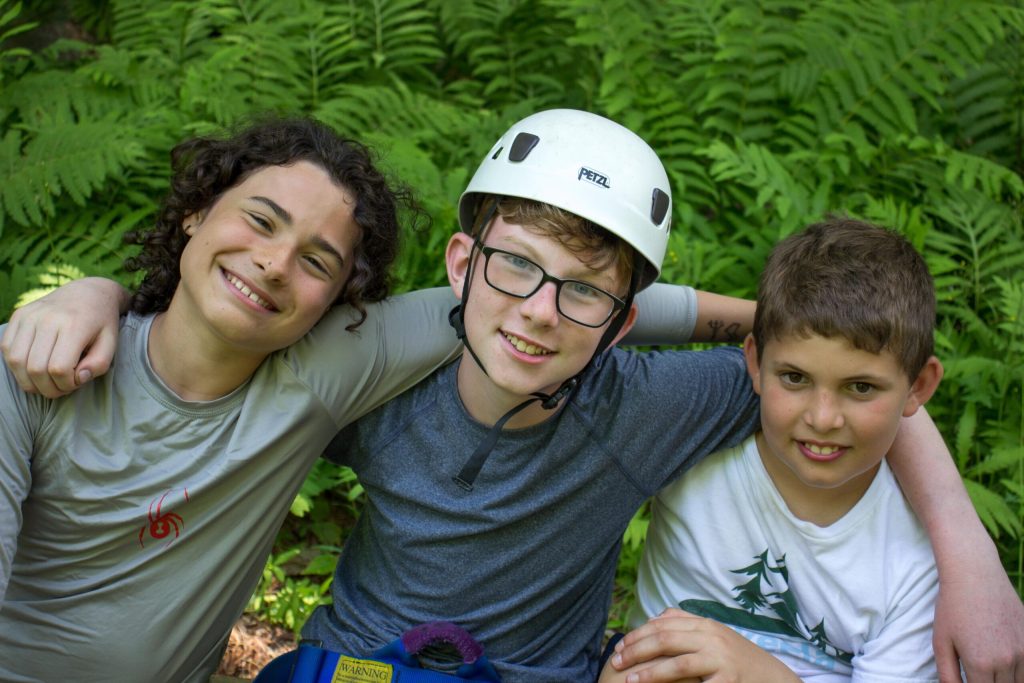
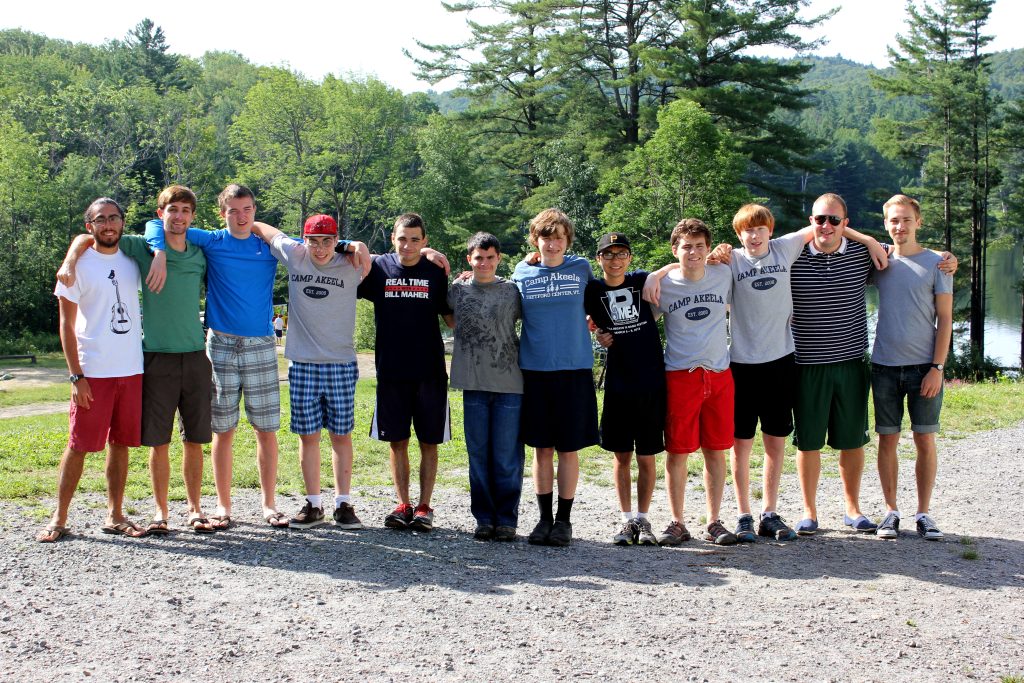
Camp Akeela campers are completing grades 3–10 and are excited about a traditional camp experience that supports their social growth. Parents and teachers describe them as bright, kind, creative and well-behaved. They have above average intelligence and are typically academically successful in mainstream school settings, although may receive extra help with executive functioning skills, social pragmatics, or other social deficits.
Our campers genuinely enjoy interacting with peers, but often struggle to make deeper, more meaningful social connections. They may need practice and guidance in reading nonverbal cues, exhibiting conversational empathy, or understanding social nuances. Families often report that, without facilitation, their children tend to socialize more easily with younger kids or adults.
CELEBRATING NEURODIVERSITY: AUTISM SPECTRUM (ASD LEVEL 1, FORMERLY CALLED ASPERGER’S), NONVERBAL LEARNING DISABILITY (NLD), ADD/ADHD
Most of our campers identify as neurodivergent, often with a diagnosis of ASD (Autism Spectrum Disorder), ADD/ADHD, or a social-based learning difference such as NLD. With or without a diagnosis, they all share a desire to be part of a community that “gets” them and where they can meet friends with similar outlooks and experiences.
Akeela campers typically do best when they:
- Know what to expect going into an activity or event
- Get a written or verbal preview of transitions ahead of time
- Socialize in a structured environment with established expectations
- Are given step-by-step instructions to support their executive functioning
- Have a trusted adult/mentor they can go to when they have a question, concern, or are upset
SUCCESSFUL AKEELA CAMPERS MUST BE ABLE TO:
Our campers genuinely enjoy interacting with peers, but often struggle to make deeper, more meaningful social connections. They may need practice and guidance in reading nonverbal cues, exhibiting conversational empathy, or understanding social nuances. Families often report that, without facilitation, their children tend to socialize more easily with younger kids or adults.
Akeela campers DO NOT exhibit the following behaviors, nor can our staff provide a successful experience to children and teens who:
- Have behavioral outbursts or meltdowns
- Have a history of physical or verbal aggression
- Are oppositional and/or defiant or refuse to participate in less preferred activities
- Require one-to-one behavioral support or consistent prompting to stay on task during activities or in class
- Have a history of wandering or running away from a group
- Have a recent history of psychiatric hospitalization, suicidality or self-harm
We love partnering with families to mutually assess if Akeela is the right fit for their child. It is the most important part of our jobs! Although our first-time campers are often unsure about coming to Akeela, after the application process is complete, they are ready to be at camp for the session. The best first step to help us get to know your family is to review our application process and complete our Inquiry Form.
SOCIAL SKILLS CAMP FOR NEURODIVERGENT kids
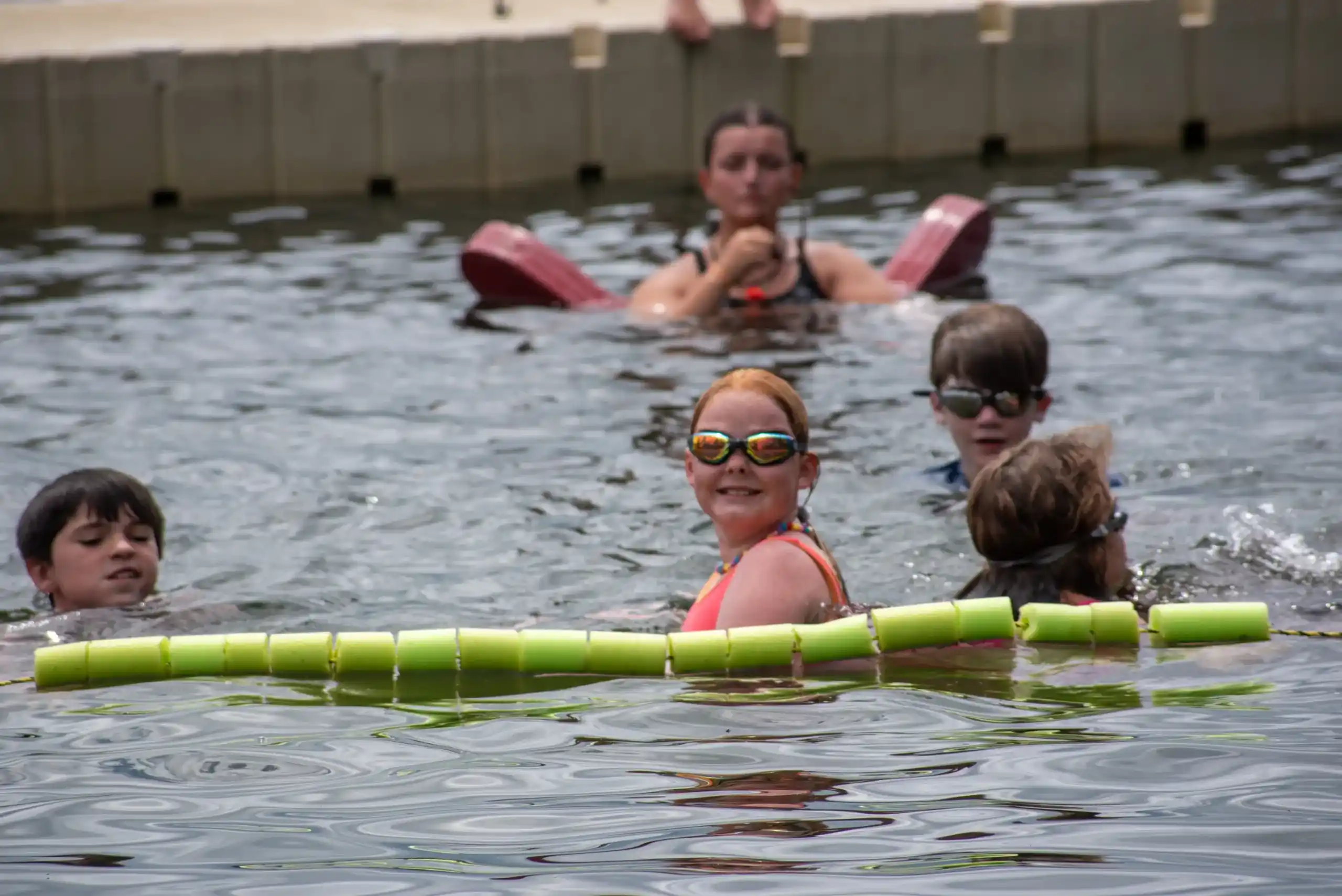
At Akeela, we work on social skills while campers are enjoying a traditional camp program. Because we know that every camper is different, we choose not to follow one specific social skills curriculum or therapeutic approach. Instead, we work with families to understand exactly what will make each camper feel socially successful.
Social skillsSOCIAL SKILLS SUMMER CAMP
Akeela is a camp that has a deep impact on kids’ lives, changing the way they feel about themselves and how they interact with others.
real-world opportunities
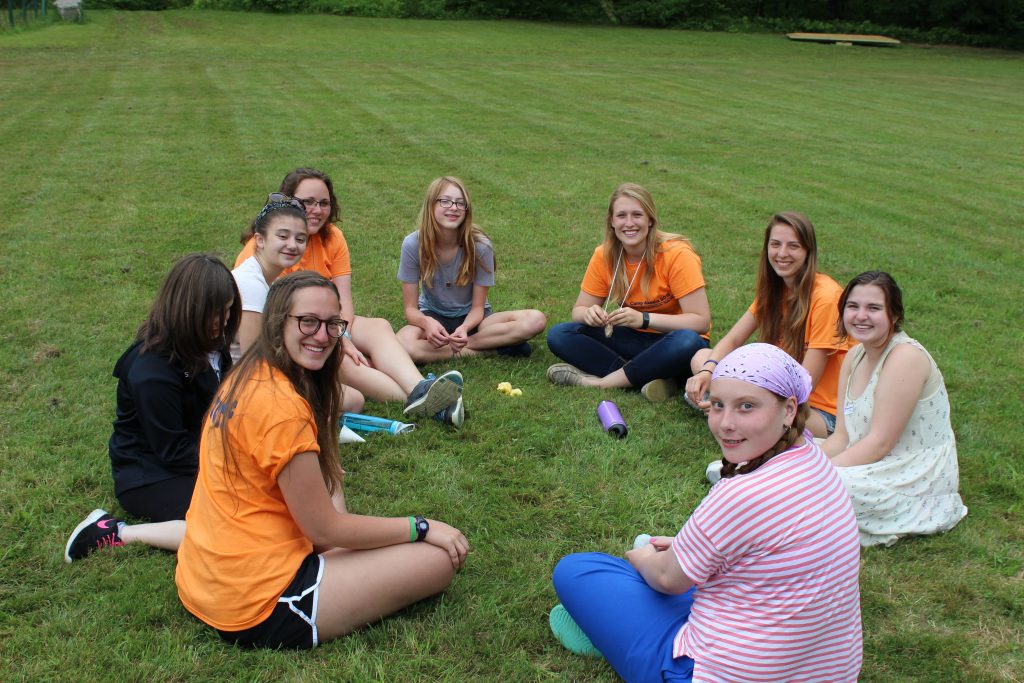
Living in a 24/7 camp community provides countless real-world opportunities for social coaching from caring, trained staff members.
“I CAN BE MYSELF HERE”
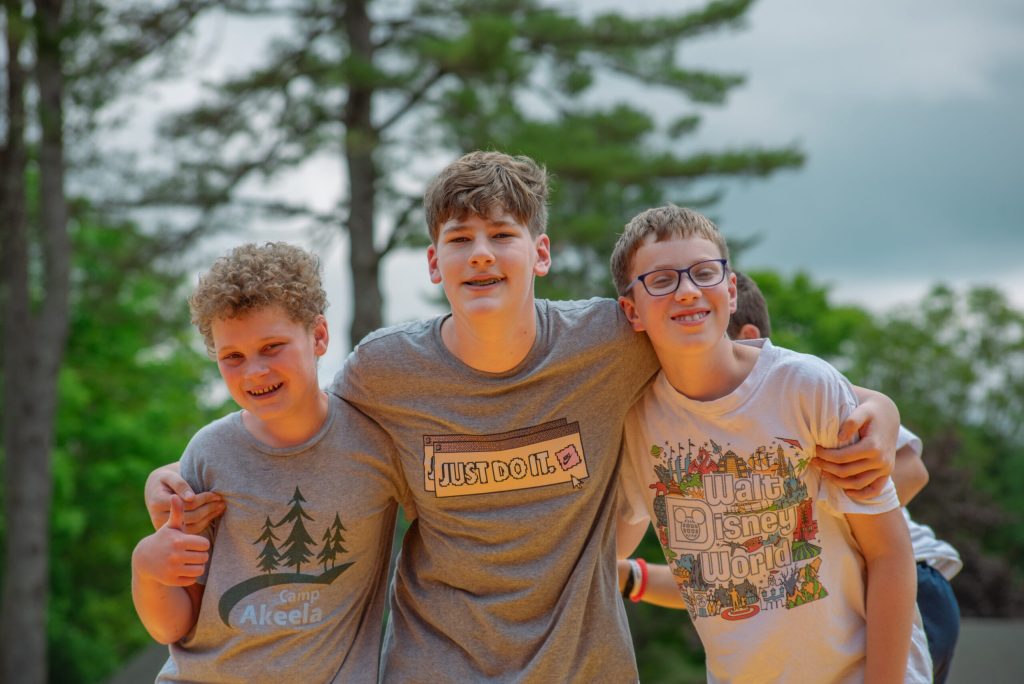
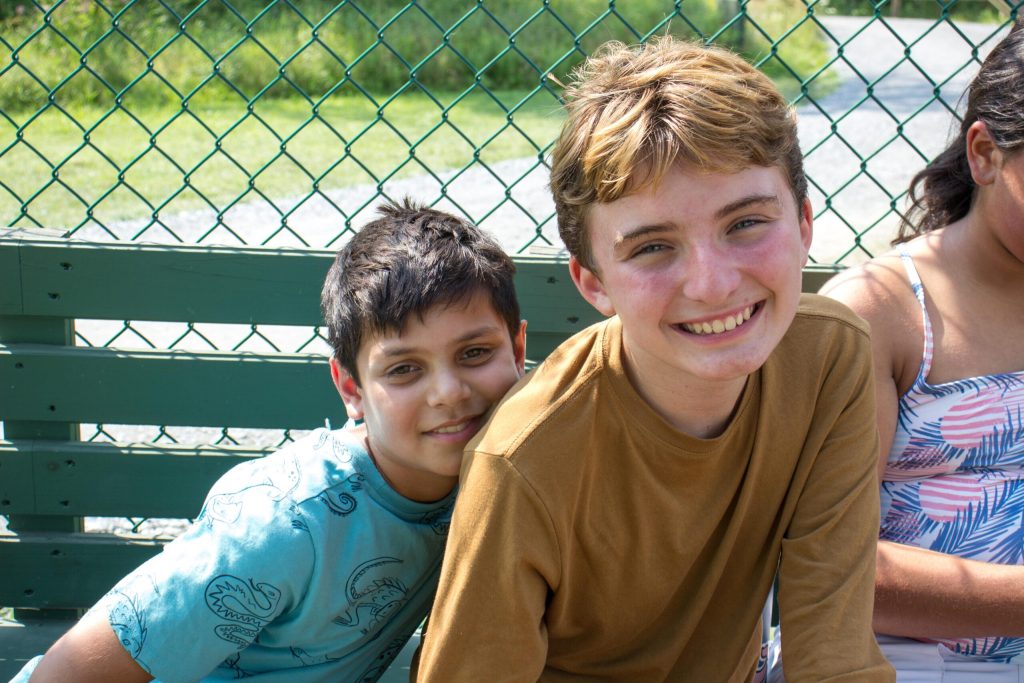
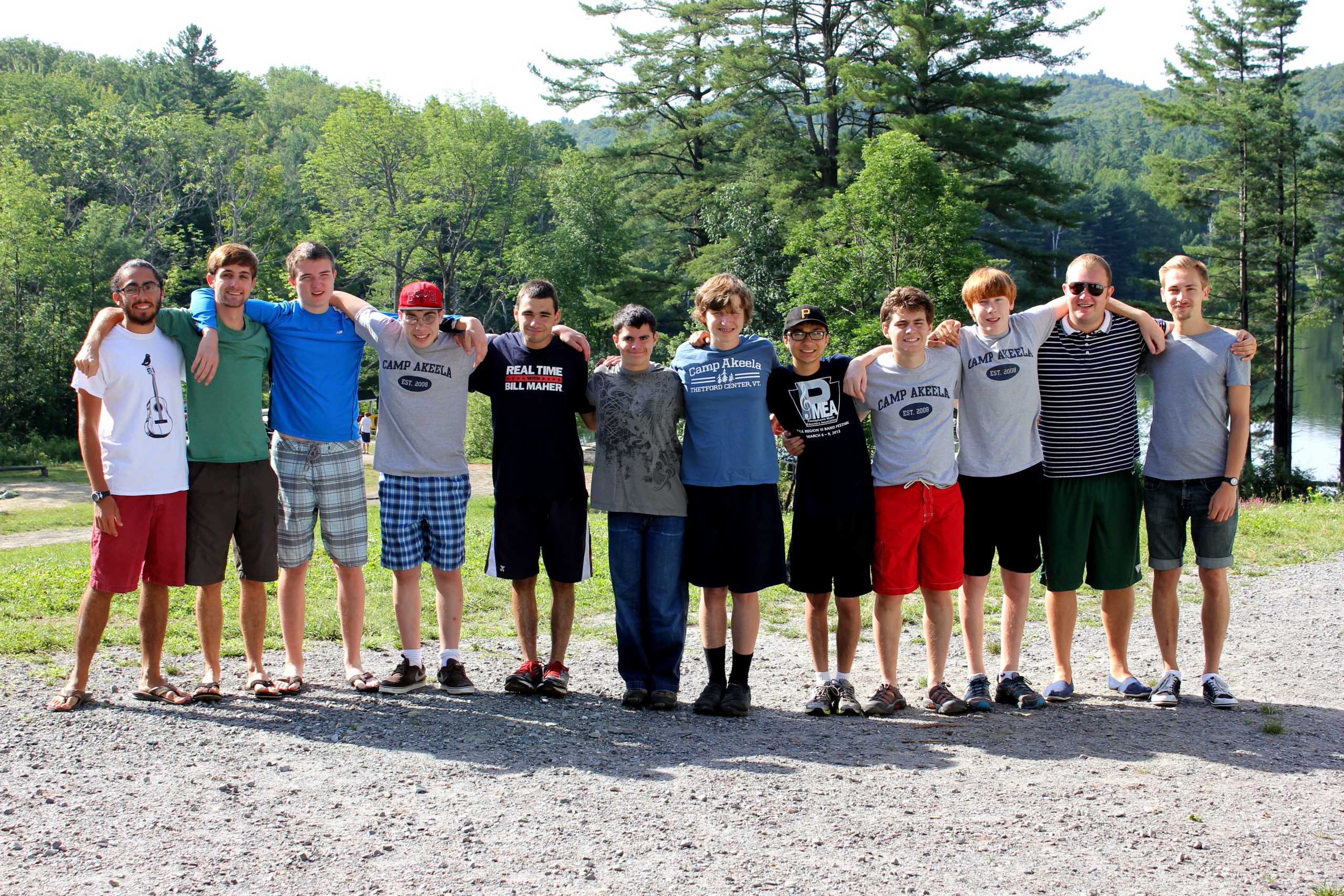
Living in a community filled with people just like them, surrounded by adults who truly adore them, means profound growth and connection for Akeela campers.

HEAR ABOUT AKEELA FROM OUR CAMPERS AND DIRECTORS
A Typical Day at Akeela
The Akeela Difference
The Camper Experience
All About Our Staff
ACTIVITIES AT CAMP AKEELA
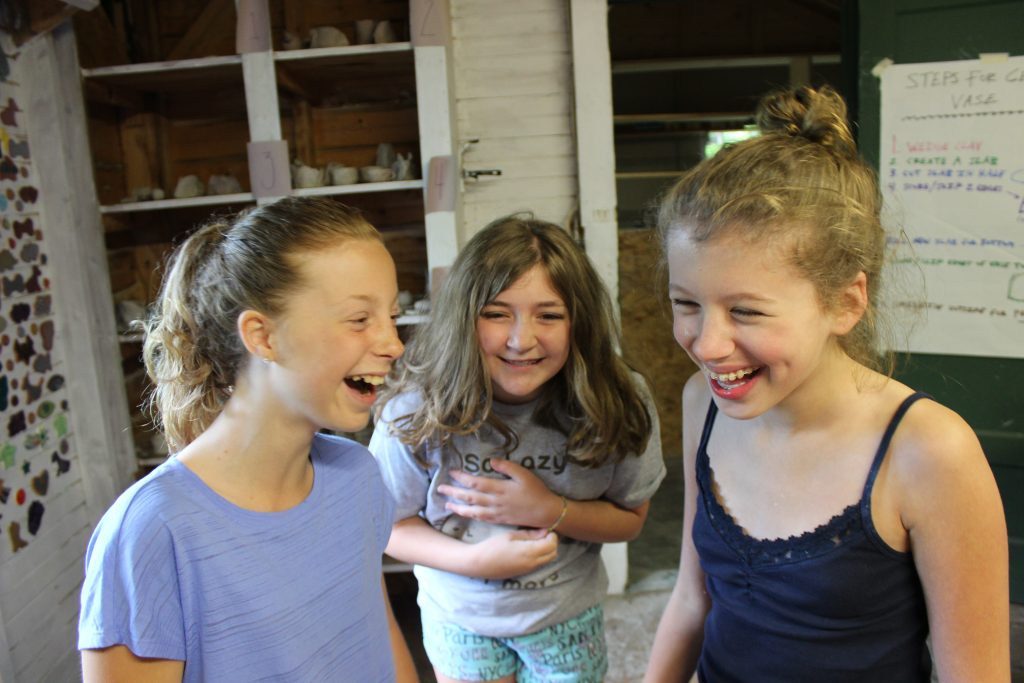
ARTS/MEDIA: Art, ceramics, cooking, dance, drama, music, rocketry, woodshop
Aquatics: Canoeing, kayaking, recreational swim, sailing, stand-up paddleboarding, swim instruction
LAND sports: Archery, basketball, frisbee golf, golf driving range, martial arts, soccer, softball, tennis
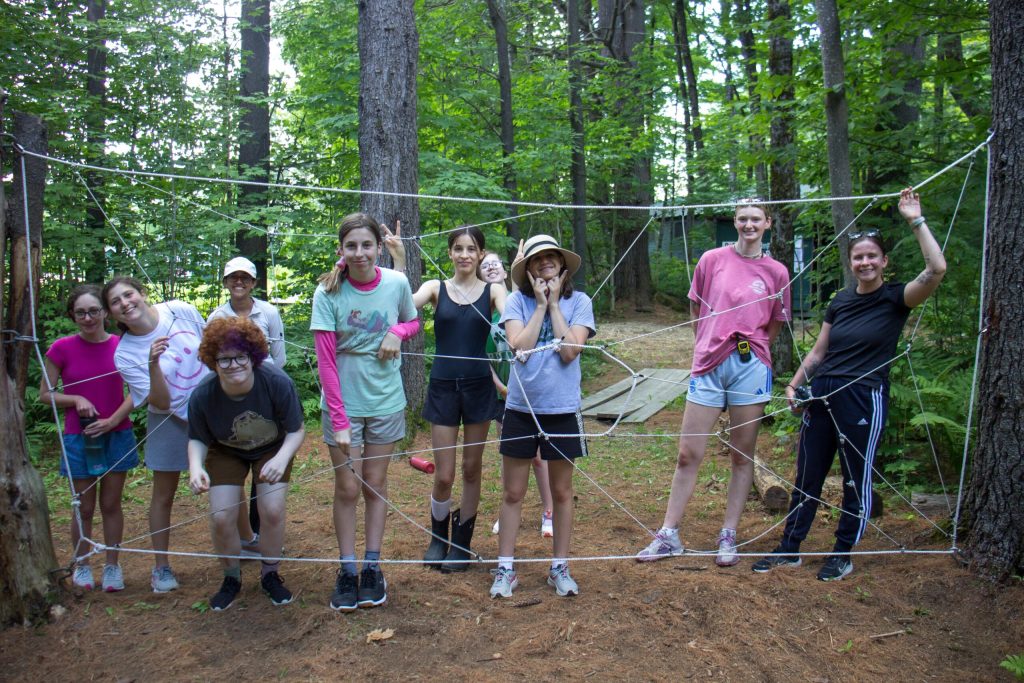
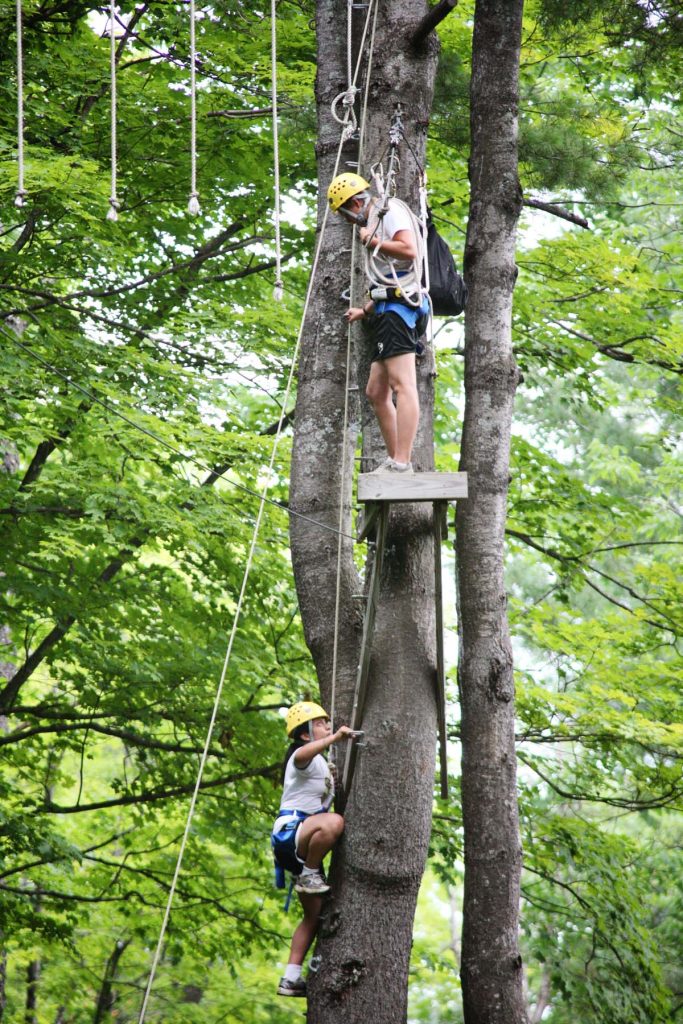
outdoor adventure: Animal care, farm & garden, low and high ropes courses & climbing wall, nature & science, weekly day hikes for every camper, overnight camping trips
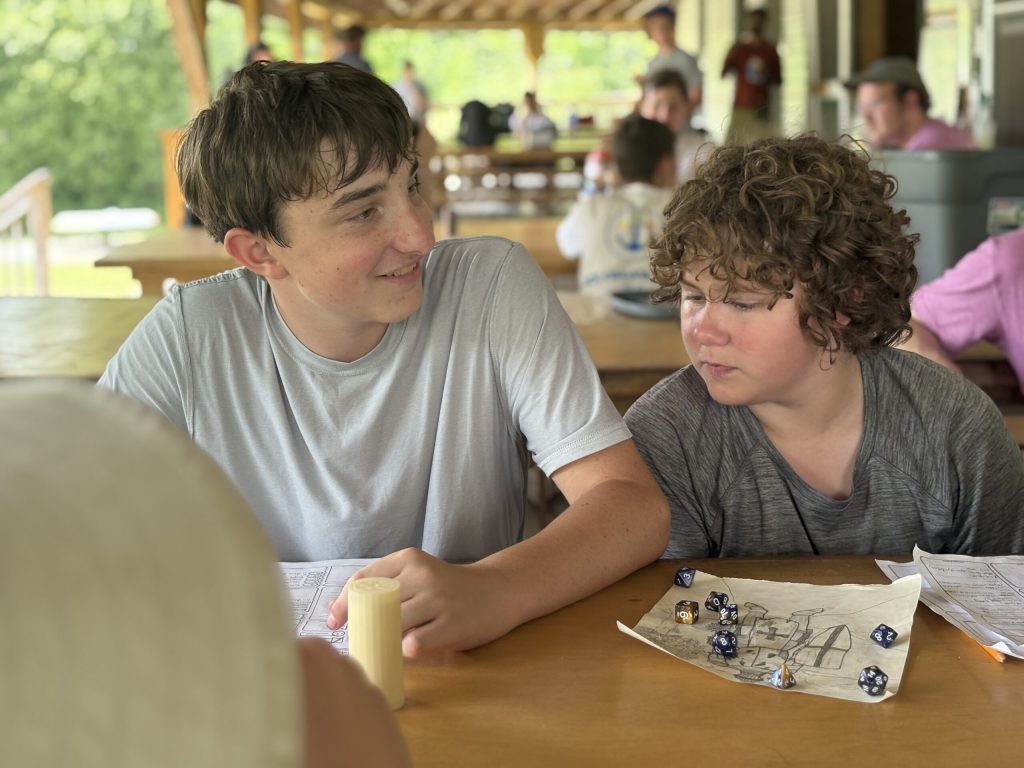
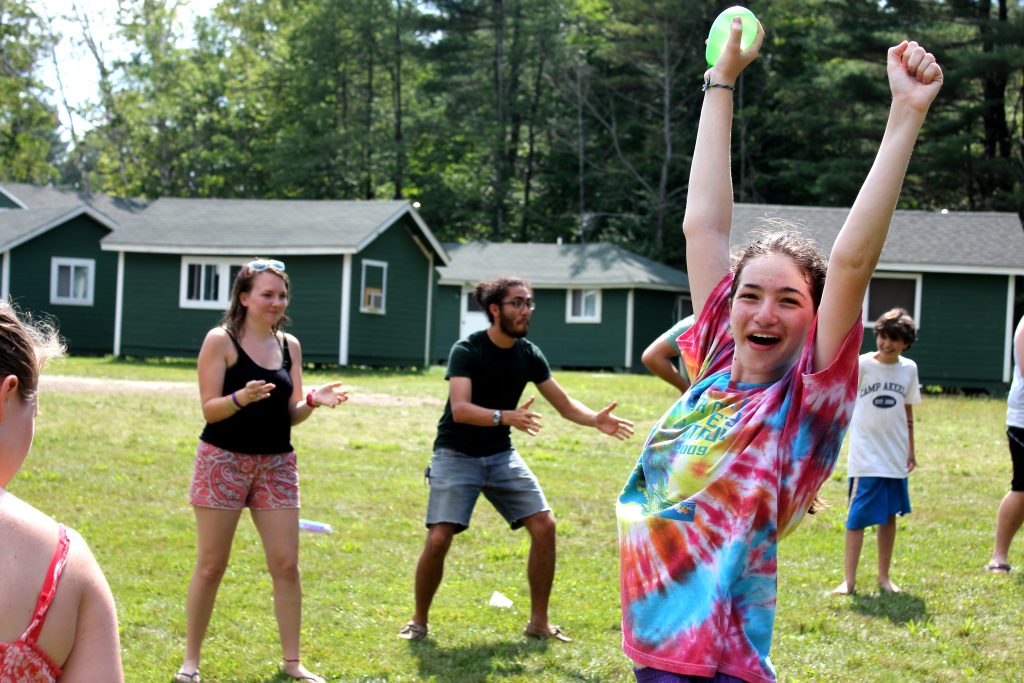
PLUS: Community service, Dungeons & Dragons (D&D), special events, trips, visiting craftspeople, weekly campfires
A Typical Day At Camp
7:30
Wake up
8:00
Breakfast
8:30
Clean-up
9:00
Group Meetings
9:15
First Activity Period
10:15
Second Activity Period
11:15
Free Time
12:00
Lunch
12:35
Rest Hour
1:45
Third Activity Period
2:45
Snack
3:00
Specialty Period 1
4:00
Specialty Period 2
5:00
Shower Hour
6:00
Dinner
7:00
Evening Meeting
7:30
Evening Activity
8:30
Snack + “Day In Review”
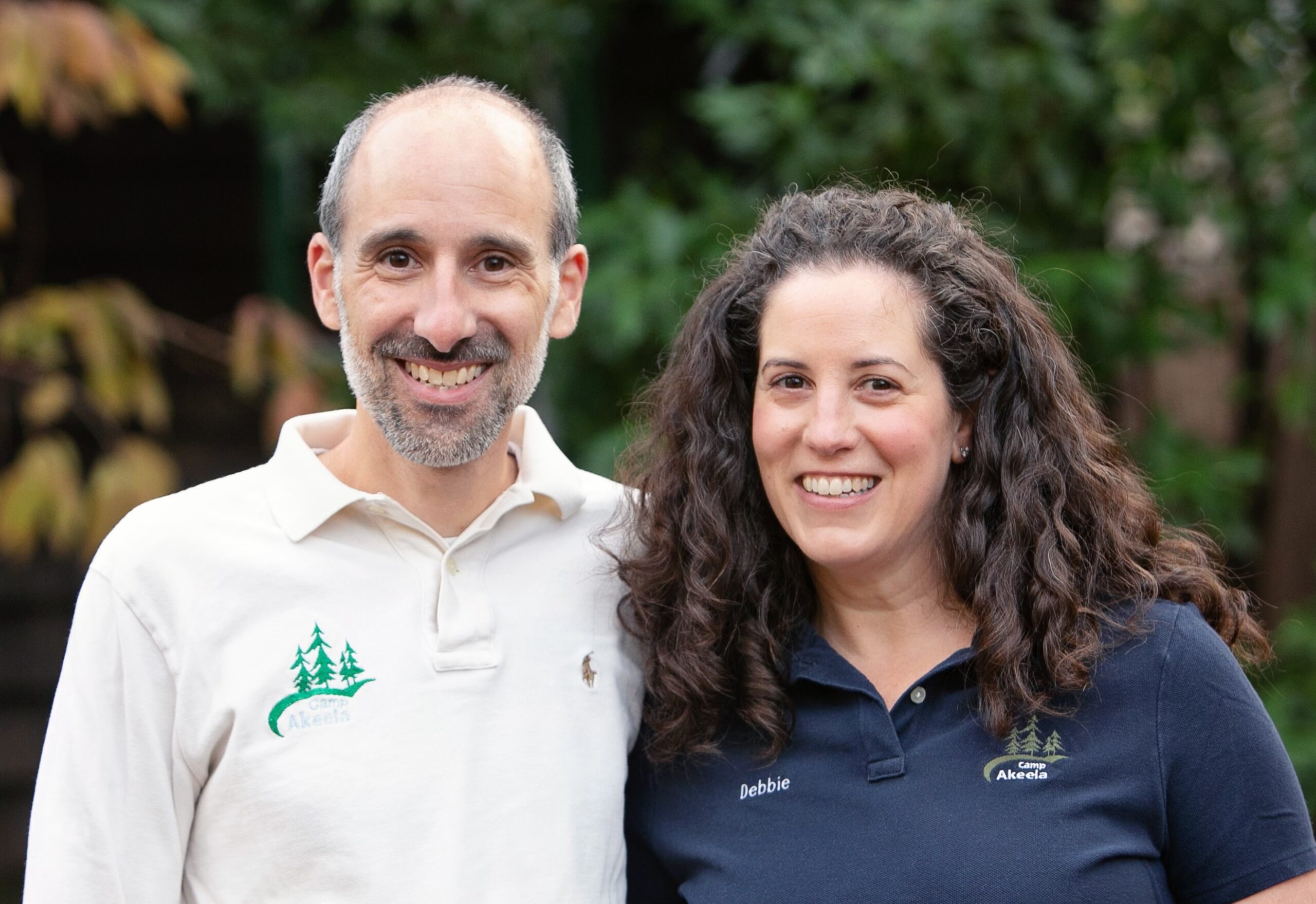
Meet Our Directors
Debbie and Eric met at a summer camp and have been partners in camping ever since. They have each held virtually every job available at camp, from bunk counselor and swim instructor to unit head and camp director. Throughout their careers, Debbie and Eric have always found themselves gravitating towards the “quirky” kids. Opening Akeela enabled them to create an empowering community for boys and girls who thrive in traditional camp setting with a little extra social support.
Eric Sasson has more than 40 years of camp experience, at some of the Northeast’s finest camps, including Camp Walt Whitman, Camp Wingate*Kirkland and Camp Mah-Kee-Nac. He has been a full time camp professional for over 25 years and is an active member of the American Camp Association. Eric earned a BA in Math from Haverford College and a Masters in Education from Harvard University. Outside of the camp world, he has extensive experience working with children and young adults in a variety of settings.
Favorite Book: Lord of the Rings by J.R.R. Tolkien
Place I’d Like To Visit: New Zealand
Camp Food: Fajitas
Debbie Sasson has been spending her summers at camp for more than 30 years. She has a BA in Psychology and a Masters in School Counseling from the University of Rochester. After 3 wonderful years as a middle school counselor in Belmont, MA, she returned to school and earned her Doctorate in Clinical Psychology from Yeshiva University in May 2008. She works as a full-time director of Camp Akeela, a position to which she brings extensive knowledge of the fields of child, adolescent and Family-Systems psychology
Favorite Book: A Prayer for Owen Meany by John Irving
Place I’d Like To Visit: South Africa
Camp Food: Tacos